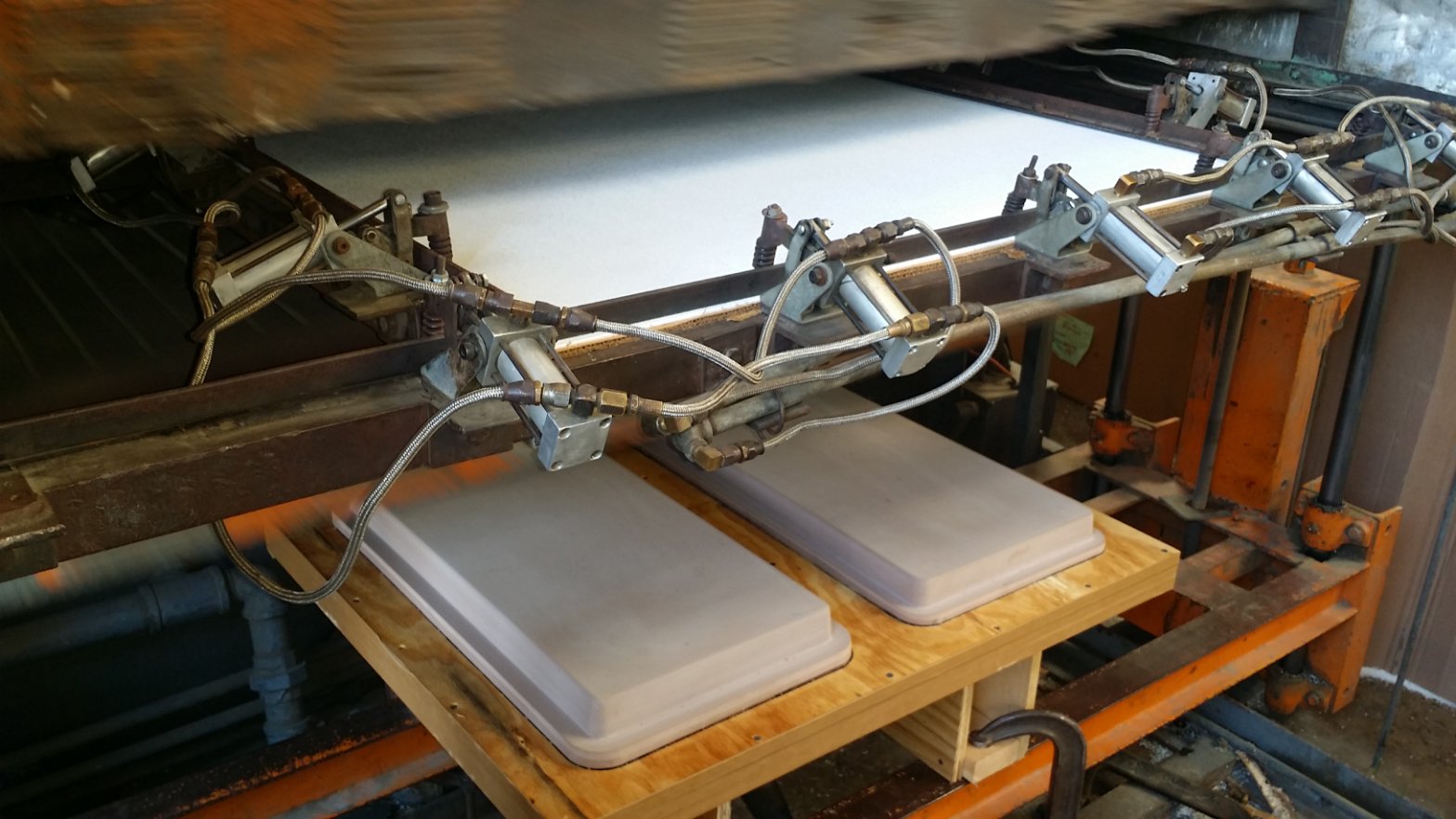
From first call to finished part
A clear process built around your project. We review the part requirements, quote tooling and material, support prototyping when needed, and move approved projects into production.
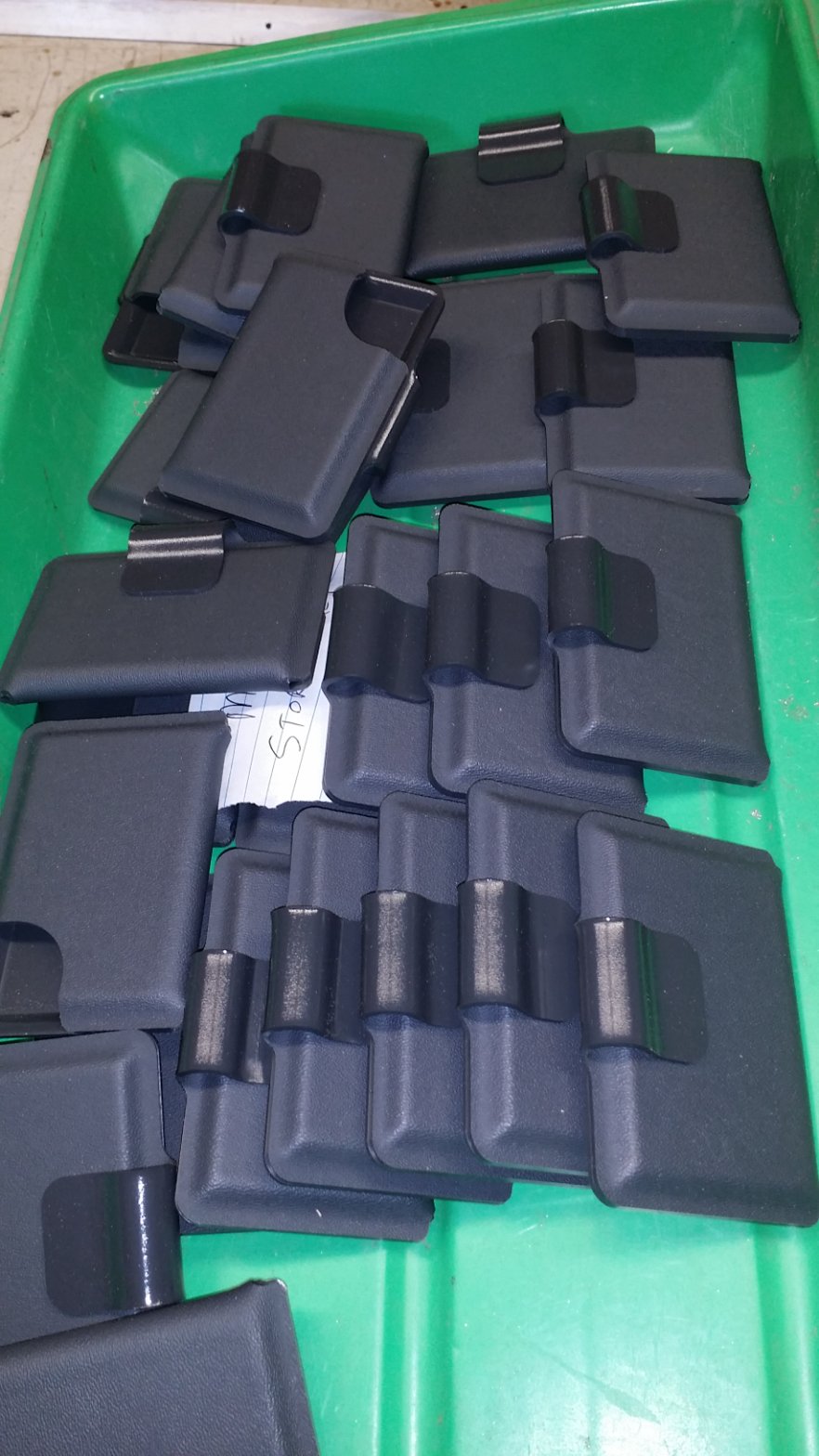
Project Details Reviewed. Production Requirements Confirmed.
Since 1977, Hill Plastics has worked with customers to define project requirements, provide competitive pricing, and maintain quality checks for appearance, dimensions, and approved print specifications.
Three steps from scope to production
Most projects follow these three stages. If you already have tooling, see the alternate starting point below.
Step 1: Scope the project
When Hill Plastics is first contacted, our sales team talks with you to identify the scope of your production part project. We identify the quantity, part geometry, function, material expectations, and production requirements.
Step 2: Quote tooling, parts, and material
After the initial project review, we quote the recommended tooling, production parts, and material based on the application, quantity, and part requirements. Prototype tooling may be used when appropriate.
Step 3: Prototype, Approve, Then Produce
After prototype or tooling approval, the project moves into production using the approved tooling, material, and process requirements.
Alternate starting point
Already have tooling?
If you have existing molds (tooling), we will quote production parts based on your mold size and selected material. This is an alternate starting point, not a fourth step in the standard process.
Our Quality Management System
Hill Plastics has developed and implemented an internal Quality Management System (QMS) that incorporates selected principles from ISO 9001:2015. It is an internal quality system, not ISO 9001 certification, and is designed to improve overall performance and support sustainable development initiatives.
The benefits of this custom quality management system are the following:
The ability to consistently provide products and services that meet customer expectations and requirements.
Opportunities to enhance customer satisfaction.
The ability to demonstrate conformity to specified quality management system requirements.
Addressing risks and opportunities associated with its content and objectives.
Call us today to start
Tell us about your part and your volume. We will scope the project and quote the tooling, parts, and material that fit your application.